
Theories
LEARNING THEORIES
Theories that drive my use of STEM and STEAM in my lesson planning
Social Cognitive Theory (SCCT).
Focuses on the expectations of outcomes and self-efficacy. Self-efficacy is the students’ belief in their ability to accomplish a task or skill (Albert Bandura).
Self-determination theory (SDT)/
Emphasises the importance of autonomy, competence, and relatedness in motivation and learning. Other proponents concur that SDT provides students with opportunities to make choices, develop skills and feel connected to their learning environment. These attributes enhance their engagement in STEAM/STEM (Chai 2023).
Theory of Change
According to the International Journey of STEM Education, this framework is used to evaluate and design interventions by clarifying how a project is expected to lead to change.
Variation Theory
This theory of learning suggests that students learn best when exposed to different concepts, allowing them to discern what varies and what stays the same (Marton st.al. 2015).
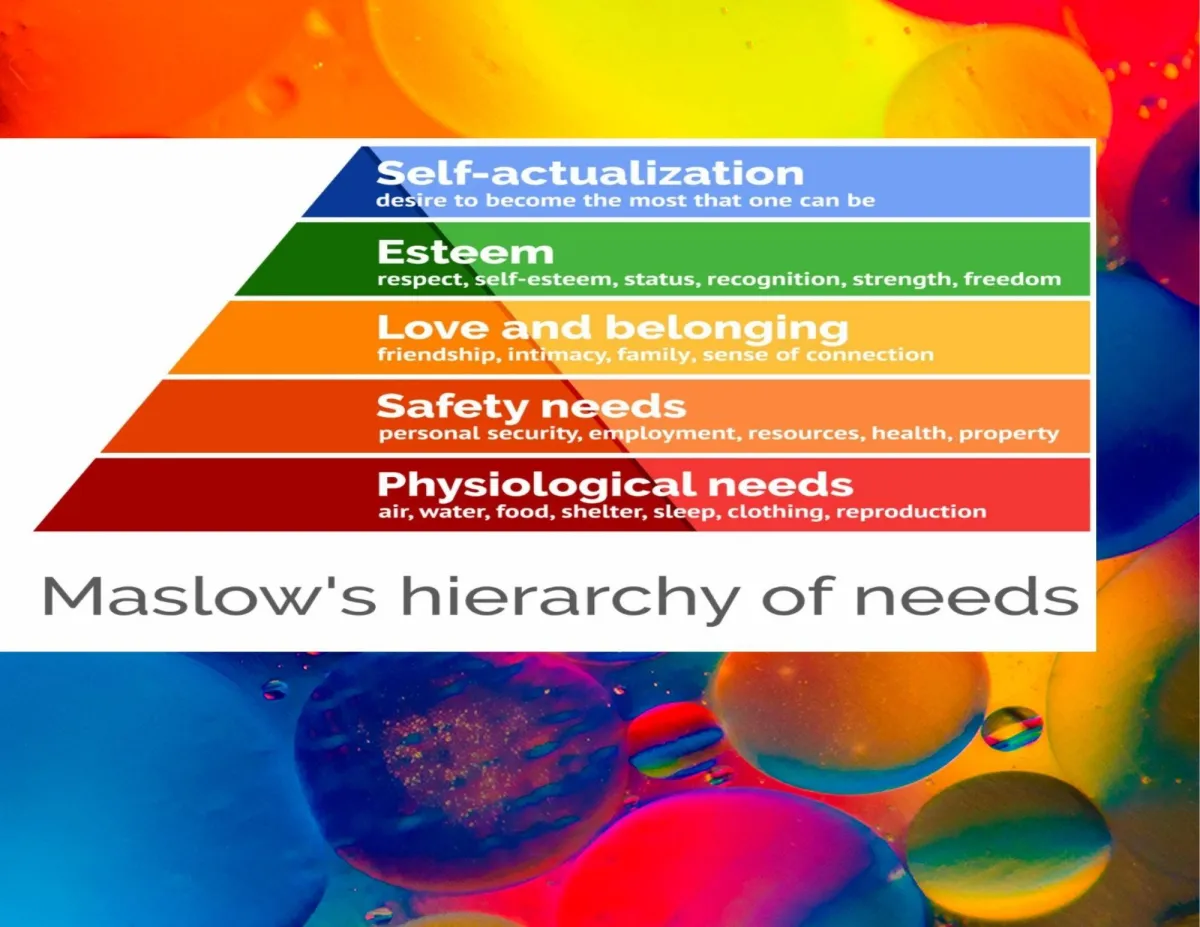
Maslow’s Hierarchy of Needs
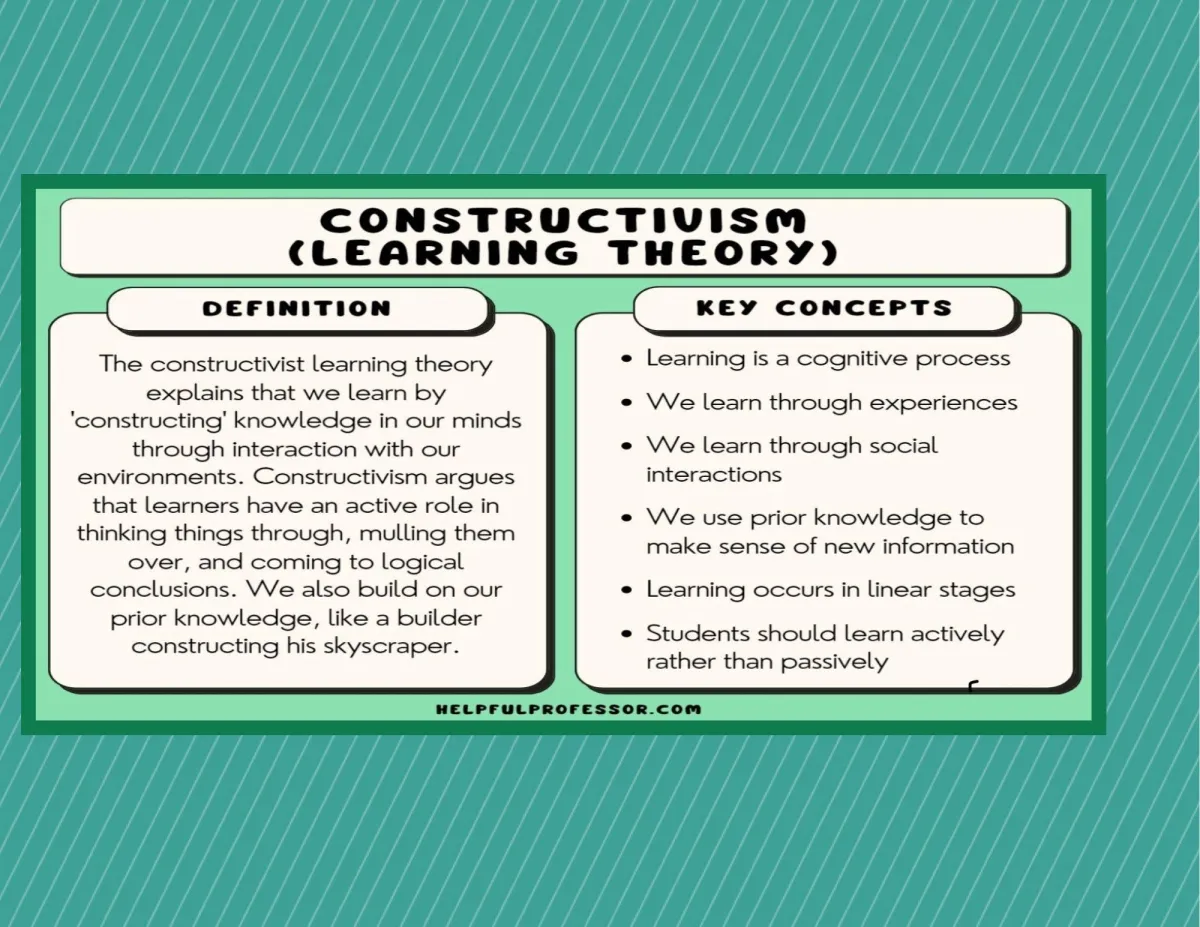
Constructivist Learning Theory

Contact
© Copyright 2025. All rights reserved.